January 22, 2026 by Marktober
What Does a Forester Do?
If you love the outdoors and love trees in particular, you’ve probably considered Forestry as a career at one point. But what does a forester do? And what sorts of things do you study in college to become a forester?
My name is Mark, and I have been in natural resources nearly my entire career. I went to school for Forestry, and I can give insight into both the academic world and what sorts of things you can expect after you get a degree.
Before we delve in, I think it’s worth mentioning that my specific background is in Forest Recreation Management. Most of my career has also been in the public sector working for agencies that manage land in the United States. As a result, my insight into private industry and the consulting field is limited.
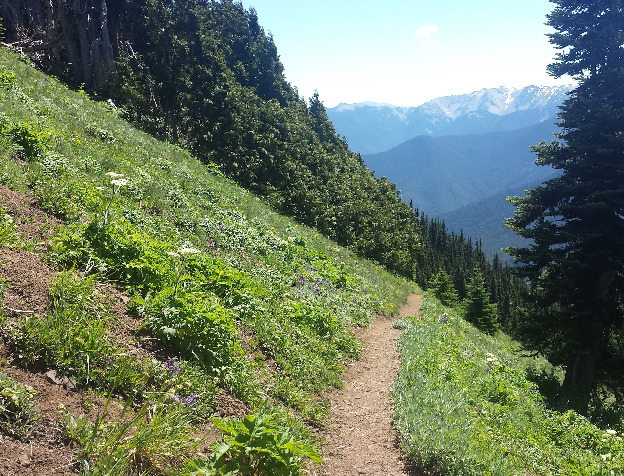
Schooling
There are only a handful of schools in the United States today that have departments dedicated to Forestry. Most programs today that encompass forestry as a profession are lumped into environmental science programs. In practice, many of the focuses are the same. But Forestry programs are usually unique in how they cover the issues of land management.
Before we go any further, I think it should be emphasized up front that forestry is focused on trees as a resource. While the discipline covers a wide array of approaches, skills, and philosophies, at its heart, the point of forestry is to harvest trees for profit. If your goal is to become a forester of some kind, this will be the focus of your work.
Based on the school I went to and those my colleagues attended, these are roughly the paths you can take. As mentioned above, many of these focuses are similar to other programs within the environmental science programs.
Forest Resource Management
This is your typical forester. Ideally anyone in this path would be able to manage forested landscapes for timber sales. Skills taught include developing management plans, how to calculate tree size, forest ecology and, of course, tree identification.
Recreation Management
This was the path I took. This path teaches students about the human dimension of the landscape and managing public use. Think of what rangers do. Skills taught include messaging, interpretation, facility design, human impacts on the landscape and how people interact with the natural world.
Fire Science
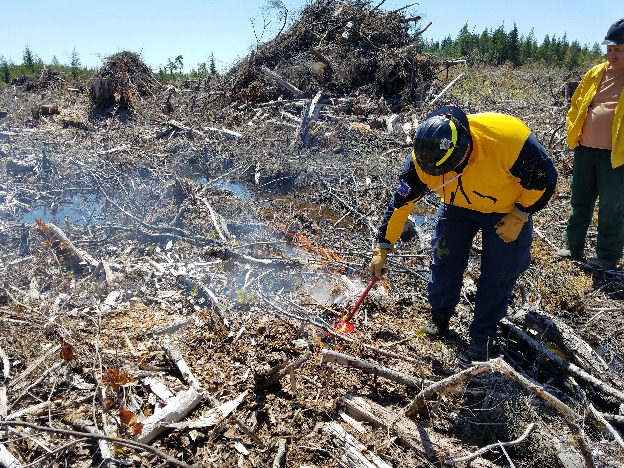
Fire management in forests has been getting more and more attention, and the study of fire on forest ecosystems has been growing. Skills taught include the use of fire to manage forests, fire suppression, fire behavior, and the role fires had in pre-Columbian America.
Hydrology
Hydrologic studies cover how to manage water on forest landscapes, which is increasingly important. The work prepares students to become certified hydrologists. Usually this involves the study of water quality, calculating flow rates and designing restoration and water control projects.
Wildlife Management
Many state and federal agencies that manage land do so for animal habitat, and this path prepares students to be wildlife managers and scientists. Students study different management practices, how to study wildlife (including surveying/capturing and relocating) and enforcement.
Urban Forestry
This is another increasingly important field as municipalities recognize the importance of tree management in urban environments. This includes work related to assessing tree health in preparation to become a certified arborist.
Forest Engineering
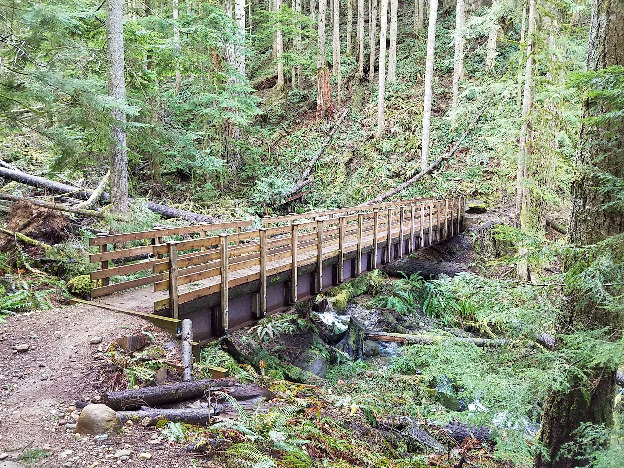
This is a somewhat niche area of study, but programs related to engineering in forest environments do exist. There is considerable overlap with other engineering degrees, but especially when it comes to the design and maintenance of forest roads.
I’m sure there are other paths out there that I have missed, but the above list includes a pretty wide range of what forestry and land management programs cover.
One final mention is the best-kept secret in modern education: Geographic Information Systems (GIS). Being able to use GIS is important to all of the paths mentioned above and there is considerable overlap with Geography programs nationwide. GIS jobs are plentiful and often well-paying, and it would be beneficial for anyone interested in natural resources to become proficient in the use of GIS programs. Many schools include basic classes in GIS use, but if you’re interested in land management without getting deep into the weeds (or trees), GIS might be a good path for you.
Careers
The paths listed above correspond to real jobs on the landscape and roles that you can play for land management and natural resource agencies of all kinds, be they public or private. In particular, if you want to take the standard forester route, you may fill one or more of the following niches:
Forester or Pre-Sales Forester
In this role, you lay out timber sales, put them out to bid, and manage the hired logging company to completion. Depending on the agency, you may also oversee other aspects of the timber sale process post-sale such as planting and thinning.
Silviculturist
This term is a catch-all for foresters, but in the agency I worked for, it referred to a class of foresters who oversaw the recovery of the forest post-timber sale. This involves overseeing planting, assessing forest health, and overseeing herbicide treatments. Essentially, these are the folks who get everything ready before the next timber sales take place.
Forest Practices
These folks deal with the regulatory side of forest management, both from the government and private side. As forest science evolves and informs forest management practices, this type of forester is in charge of making sure that all regulations are followed during timber sales of all sorts. This can include (in my state) the number of trees left within a timber harvest (leave trees), making sure that buffers around critical areas are left alone, and that private entities don’t cut trees down without following the proper process of approval.
Timber Cruiser
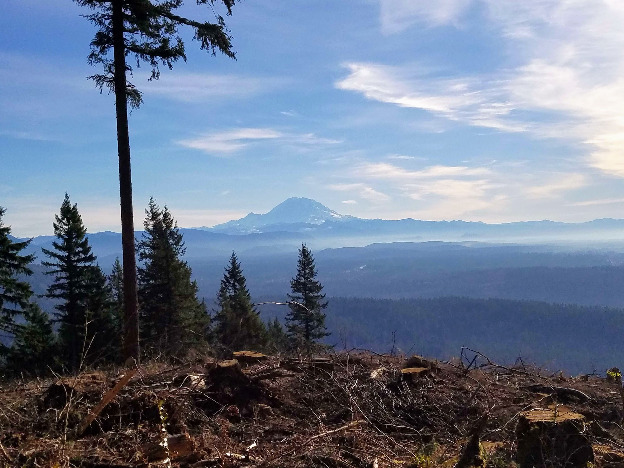
If you want to bushwhack all day and make a living from it, this is the job for you. Cruisers travel far and wide to assess trees in areas slated to be harvested to get an idea of how many board feet each sale will produce. These folks also park timber boundaries and critical area buffers.
Wildfire Forester
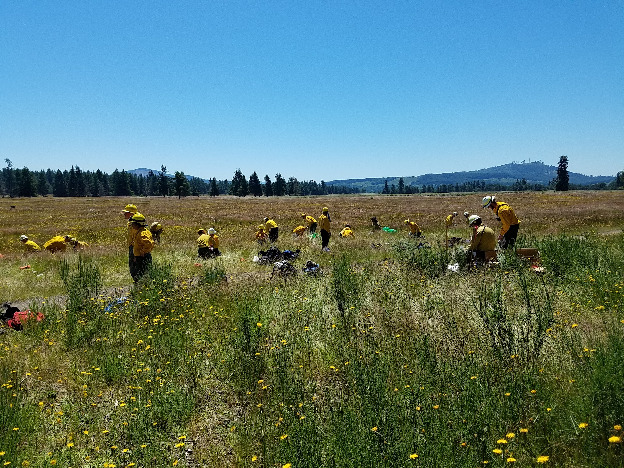
Firefighting is an important role for many land managing agencies, and is worth a deep dive on its own. Many folks who work in these agencies are involved in firefighting in some way during the dry months, but agencies also hire foresters who specifically fight fires and do work in the off-season to prepare the forest lands for the next fire season. This can include fuel reduction, controlled burns, maintaining fire breaks and consulting private property owners.
Engineers
The design and construction/abandonment of forest roads is an important part of forest management. Typically engineers get paid better than other folks in the agency, but often lag behind other agencies (like Transportation Departments) and private industry in terms of pay.
Consultant
Consultants can work for either private firms or conservation districts. Their role is typically to consult landowners on best management practices and often help create management plans depending on the needs of the landowner.
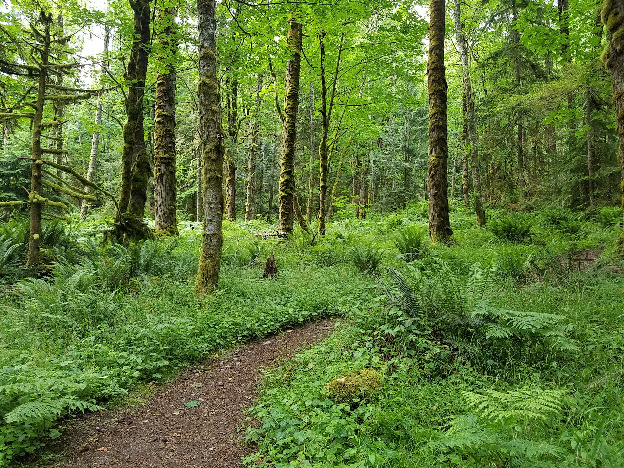
Outside of the world of forest management, land managing agencies also hire folks like geologists, IT specialists, wildlife managers, hydrologists, police officers, rangers and beyond to keep things humming along. If you’re interested in seeing how your interests and skills can fit into a land management agency, I would encourage you to keep an eye on job openings and reach out to local agency offices.